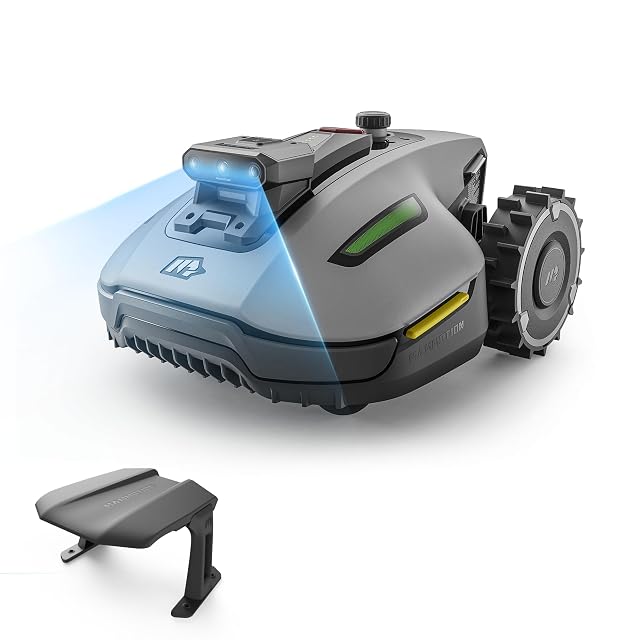
The boundary is the purchase, not the blade
The best robot mowers for 2026
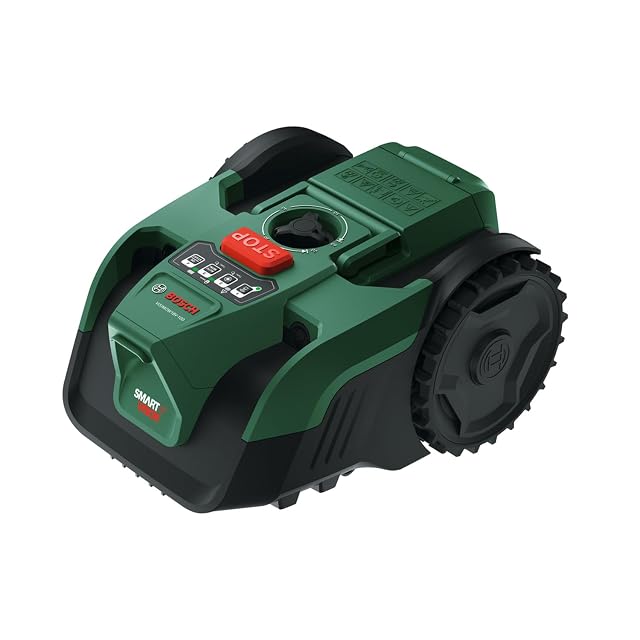
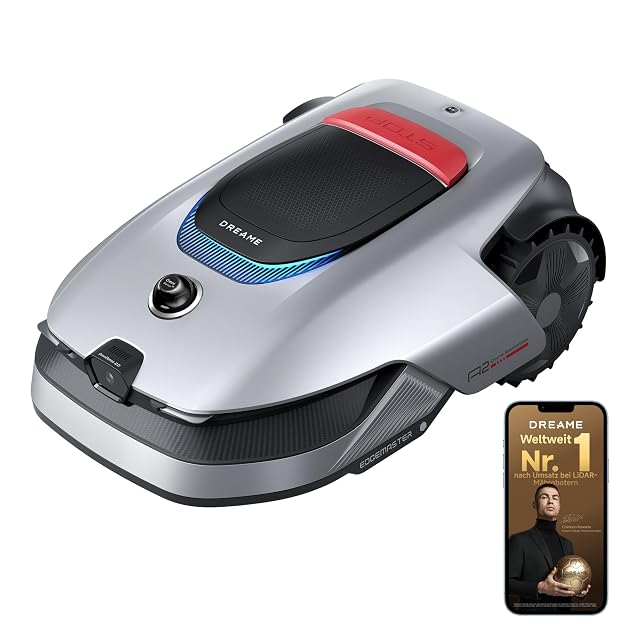
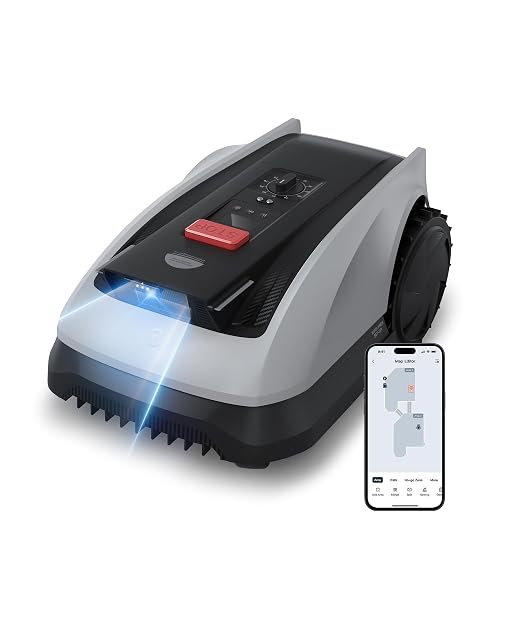
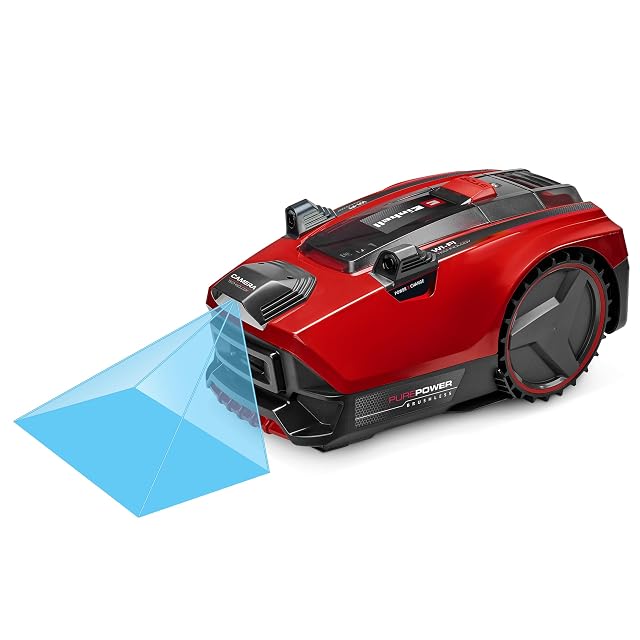
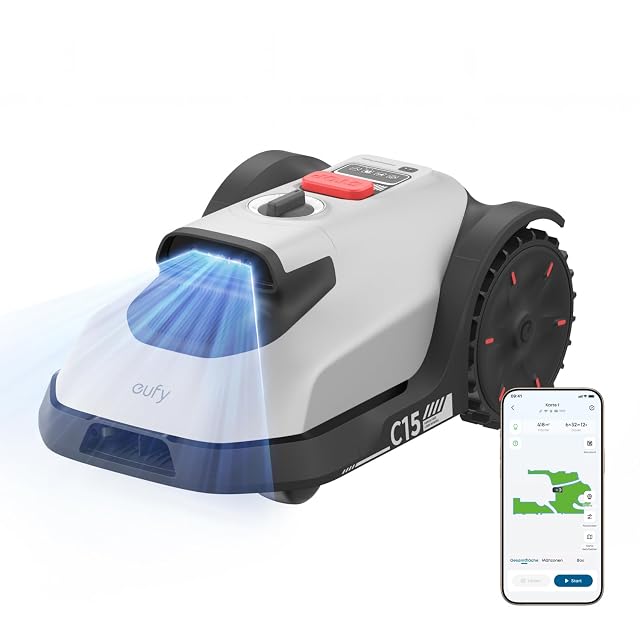
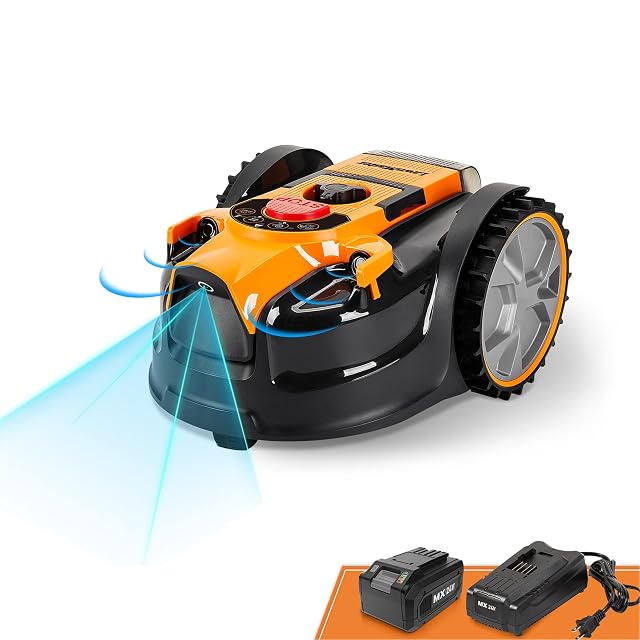
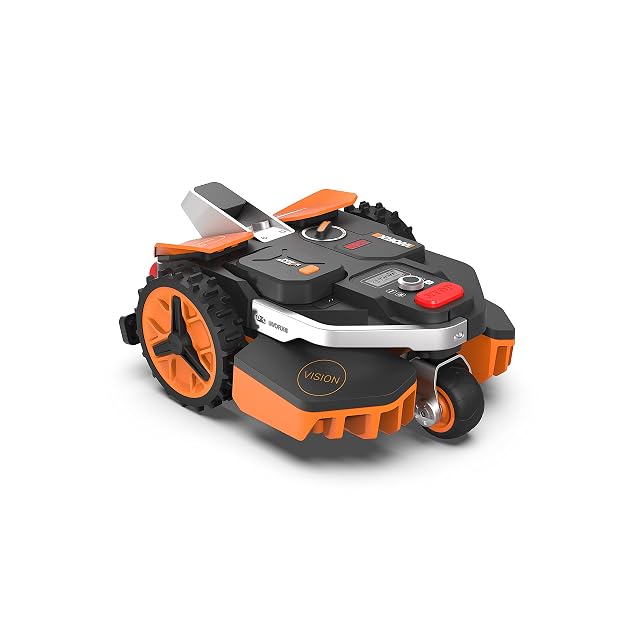
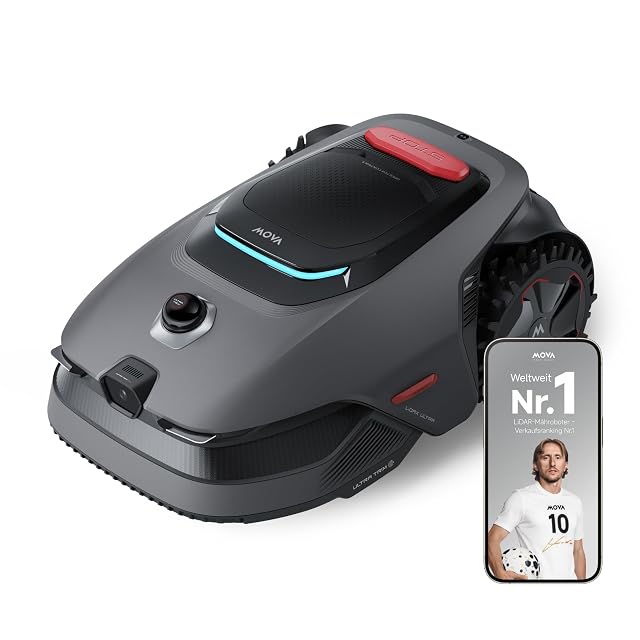
A robot mower is the only machine on this site you buy for what it does when you are not there, and the thing you are actually buying is the boundary. For a decade that meant a wire pegged around the lawn; on this shelf, six of the nine machines surveyed say « ohne Begrenzungskabel » in the title, and all nine delimit the lawn without one. Three methods appear, and they are not equivalent. RTK uses a fixed reference antenna and satellite positioning, which is accurate to a few centimetres and needs sky — a garden under mature trees is where it struggles. LiDAR scans the surroundings and works under canopy, which is why it appears on the machines aimed at awkward gardens. Vision reads the grass edge with a camera, alone or alongside one of the other two. The stated area follows the money: 100 m² for the smallest here, 500 to 800 for the mid-range, 1 200 for the largest. Then the figures that decide whether the machine suits the garden rather than the lawn: the slope it will climb, quoted as a percentage and the single most common reason a robot fails in a real garden; the cutting width, which on a robot is small — 16 to 22 cm — because it mows continuously rather than quickly; the cutting heights; the battery and its charge time, which together decide how much of the day the machine is actually out; and the app, which on this shelf is where zones, schedules and no-go areas are set. We compare cutting width, stated area, navigation, boundary, slope, cutting heights, battery, charge time, app, guaranteed noise and weight.