What is published
One feature line.
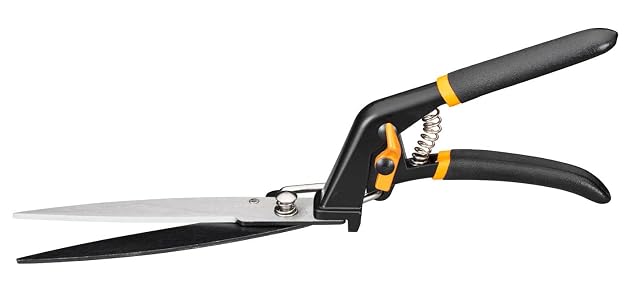
“Solid edging shear for reliable shaping and cutting back of lawn and hedges,
especially at the edges.”
The title adds: 31 cm, steel and plastic, black and orange, and the reference number.
That is all there is.
No cutting width. No blade length. No rotation. No weight. No blade
grind. No spring.
For comparison, on this shelf:
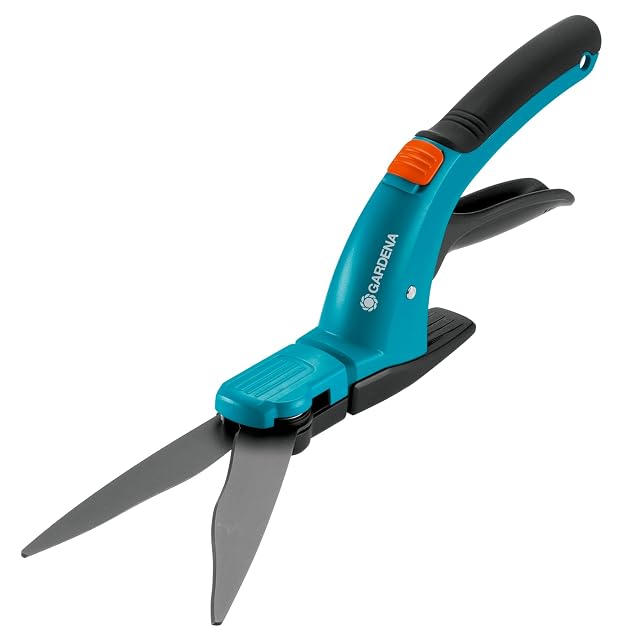
One hand shear publishes 16 rotation positions and a spring return. Another
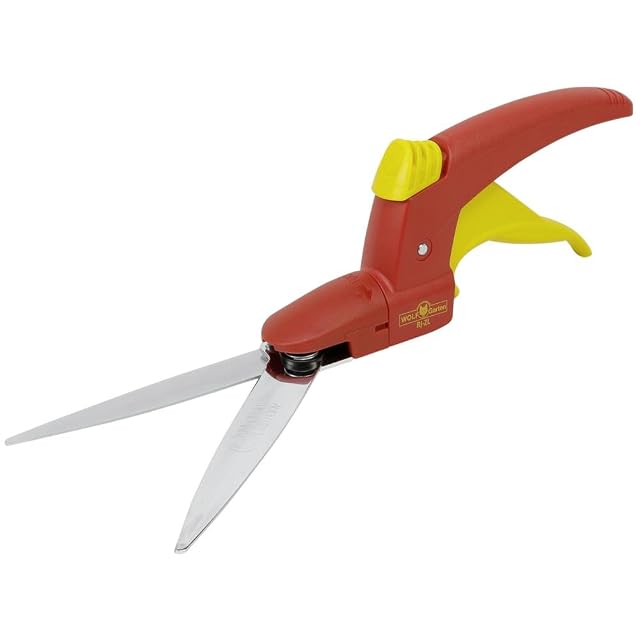
publishes a skid plate and a serrated non-stick blade. A third publishes
180° rotation and a force claim.
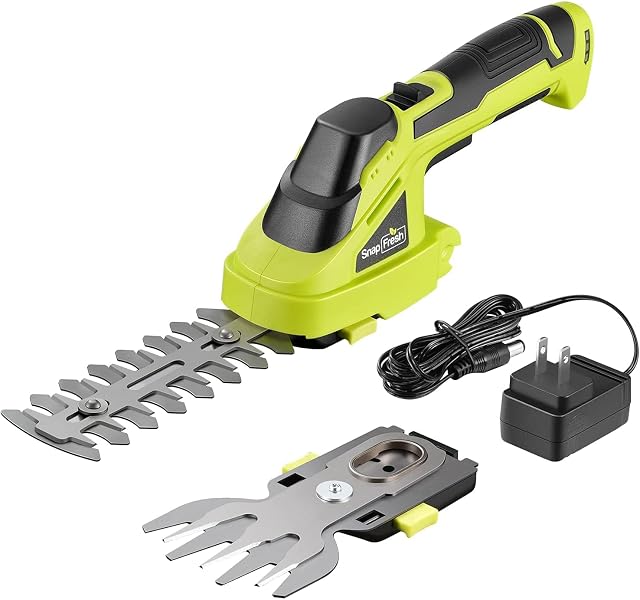
The three battery models publish cutting widths — 83 mm, 100 mm and 120 mm — and
one publishes a weight, a runtime and a cutting thickness.
This publishes 31 centimetres of overall length.
And 31 cm is a real datum, read correctly
It is the length of the tool, not of the cut.
That distinction runs through this whole shelf. The four hand shears publish tool
lengths; the three battery shears publish cut widths. They look like comparable numbers
and they are not, and nothing on this shelf points it out.
Read properly, 31 cm is the shortest tool here — the other published hand-shear
length is 39 cm.
Short is a deliberate choice for edge work and it cuts both ways:
More control. A short tool is easier to place accurately against a wall, around a
post or beside a paving edge, because your hand is closer to the blade.
Less leverage. The force at the blade comes from the handle length. A shorter shear
takes more grip strength for the same cut, which matters on a woody hedge shoot and
not on grass.
For the use the listing names — edges — the trade is the right way round.
Grass and hedge from one blade
The listing names both, and no other hand shear on this shelf does.
Both are shearing jobs, so a single blade will do both. What differs is the blade
geometry:
A grass blade is wide and finely serrated. Grass is soft, slippery and comes in
hundreds of thin blades at once, so the tool needs to grip many of them and cut a wide
swathe.
A hedge blade is longer, with coarser teeth and more space between them, to trap a
single woody shoot and shear it rather than push it away.
One blade doing both does each adequately. Two battery shears on this shelf supply
two interchangeable blades — 83/140 mm on one and 120/200 mm on the other — which
is the manufacturer’s admission that the geometries differ.
For light work on both, a compromise blade is a reasonable purchase. For a real hedge,
it is not a hedge trimmer.
What this page refuses to do
Fill the gap.
A well-known Finnish cutting-tool maker’s edging shear is a reasonable thing to buy,
and it would be easy to write that the steel is presumably good and the geometry
presumably well judged.
That is a reputation, not a specification, and a site that supplies specifications from
reputations is a site whose specifications mean nothing anywhere else.
The product is described in one sentence. That is the finding.
What matters on any grass shear, said once
Since the listing does not say it, and it applies to everything on this shelf:
Wipe the blades dry after every use. Grass sap sets to a varnish on steel. A shear
put away dirty is stiff at the pivot and dragging at the blade faces by the next
session, and people conclude the tool is blunt when it is glued.
A drop of oil at the pivot. The pivot is where the resistance comes from, not the
edge.
Keep the blade out of the soil. Grass shears are blunted by grit, not by grass. One
shear on this shelf has a skid plate specifically to hold the blade clear of the
ground, and it is the only one.
Availability
From 23 € to 27 €, that being the spread across the German, French, Italian and Spanish Amazon stores on the day of the survey.
Beyond the euro zone, the American and British Amazon stores price it in their own currencies, which the spread above sets aside.
Taken from Keepa on the day this page was last revised; stock and prices move without notice.
Prices quoted in this text were read on 26 September 2026. The live price is at the top of the page.