What is published
Two feature lines.
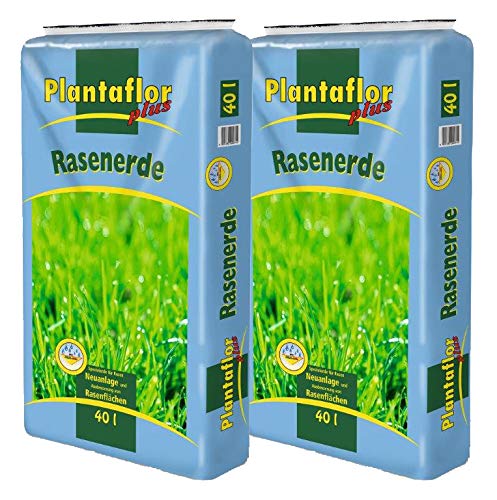
“Brand: Plantaflor Plus.”
“Plantaflor Plus lawn soil (80 litre bag, 2 × 40 L sack).”
The first is a catalogue field. The second is the product name and the pack size.
Between them they say the brand name twice and describe nothing.
The thinnest description on this shelf, alongside one other
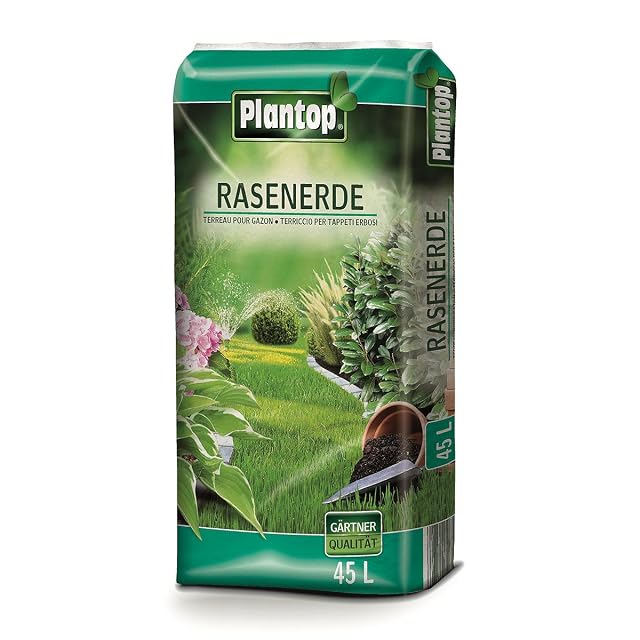
Another substrate in this family publishes a single feature line reading “gardener
quality!”.
These two are the emptiest product listings in this entire network, and on a bag of
soil that matters more than it would on almost anything else.
Because substrate is the one product you cannot inspect
A rake is visible. A hose has a diameter. A spreader has a hopper you can measure.
Two bags of brown crumbly substrate that look identical can behave entirely
differently, and every difference is invisible:
What it is made of. Peat, coir, wood fibre, composted bark, green compost and
perlite hold water, drain, settle and decompose in completely different ways. A mix
that slumps in one season is not the same product as one that stays open.
Its pH. Grass wants roughly 6.0 to 6.5. A substrate at 5.0 is working against
the seed in it.
Whether it carries a starter feed. That decides what happens in the first three
weeks of a repair.
Whether it contains peat. Which most buyers now want to decide deliberately
rather than by accident.
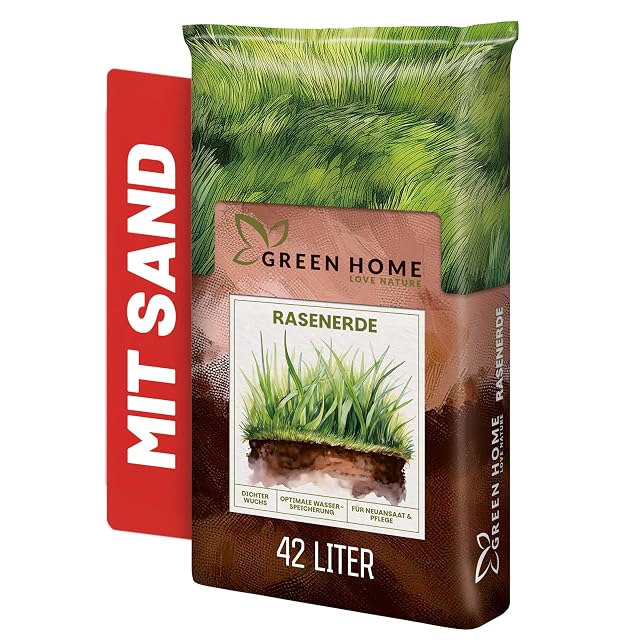
One bag on this shelf publishes all four: pH 6.0, an NP 23-14 starter feed,
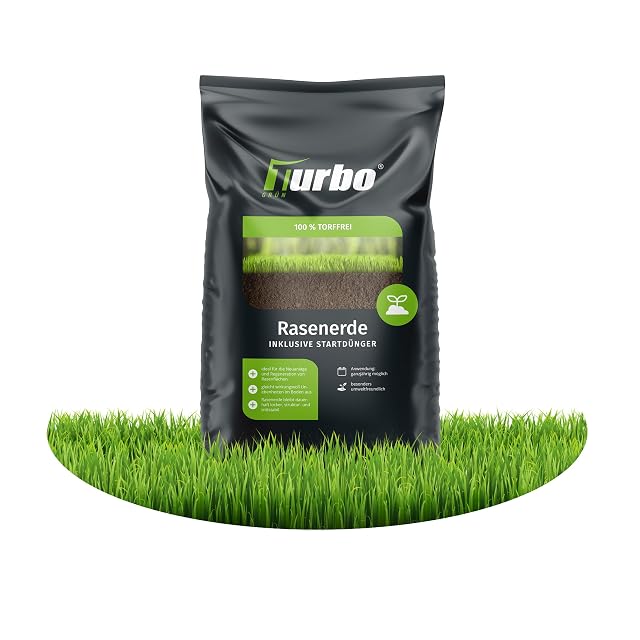
and four named components. Another states it is 100 % peat-free.
Against those, this publishes its own name.
The eighty litres, and the two sacks
The one genuine practical point in the listing.
80 litres as 2 × 40 is better than 80 litres in one bag, and anybody who has
carried wet substrate knows why. Forty litres of moist soil is a heavy, floppy,
awkward sack that has to be dragged rather than lifted; eighty would be a two-
person job or a wheelbarrow.
It also means one sack can stay sealed. Open substrate dries out, and a part-used
bag folded over loses the moisture that makes it work as a seedbed.
At about 0.41 € per litre it is the third cheapest of the four substrates on
this shelf, which run roughly 0.37 €, 0.40 €, 0.41 € and 0.63 €.
The dearest of those is the peat-free one, which is the clearest reason on this
shelf not to treat price per litre as a comparison.
What this page will not supply
A specification.
A German lawn substrate from an established horticultural brand very probably
contains peat and sand, is probably around pH 6, and probably has a starter feed in
it. Every one of those is a reasonable expectation and none of them is a published
fact about this product.
A site that filled the gap from expectation would be a site whose specifications
could not be trusted anywhere else.
What it is for, since the title at least says that
New lawns and repairs.
Those are the two jobs a substrate does, and they are different from what the
sands on this shelf do — which is worth restating because the shelf mixes them.
Sand opens and drains a soil. It is inert and feeds nothing, and it works when
brushed into open aeration holes.
Substrate fills, holds moisture, and gives seed something to germinate in:
Filling a hollow or a rut, where sand would simply be a hollow full of sand.
Covering sown seed thinly — which is what this site’s lawn seed shelf identifies as
the condition that decides success, along with not letting it dry out.
Top dressing a scarified lawn to add organic matter at the surface.
Eighty litres spread thinly over bare patches goes a long way. Eighty litres used
to level a lawn does not.
Availability
Around 33 €, read at the German Amazon store on the day of the survey.
Nothing came back from the American, British, French, Italian and Spanish Amazon stores at all; the buy button there runs a search rather than opening an empty page.
Taken from Keepa on the day this page was last revised; stock and prices move without notice.
Prices quoted in this text were read on 26 September 2026. The live price is at the top of the page.