Skip to content

BRAST BRE-RV-4000 vs IKRA IEVL 2000

Is there anything to choose between these two scarifiers?

These two machines publish the same working width, the same input power, the same blade count, the same tine count, the same depth range and the same bag volume. Not approximately the same — the same numbers. This page sets them side by side because the useful finding is that there is nothing here to arbitrate, and because a shelf where two brands publish an identical specification is telling you something about the shelf.

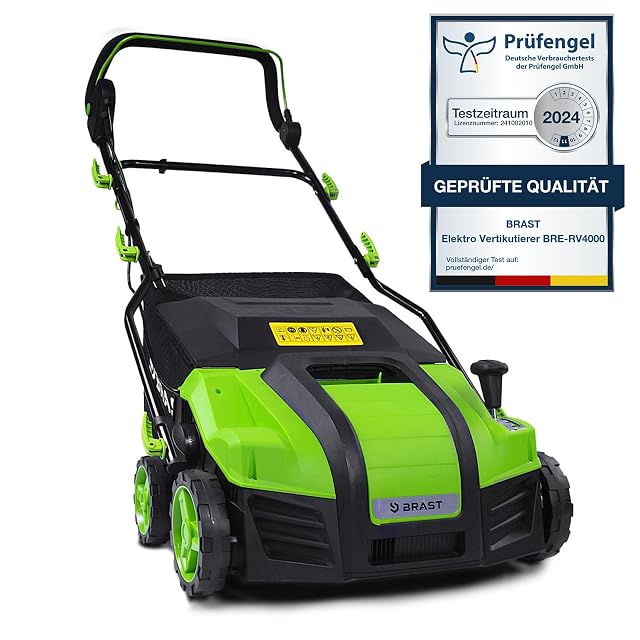
BRAST electric scarifier with a 40 cm working width and a 55-litre collection bag

BRAST BRE-RV-4000

Wins 1 of 8

Check price

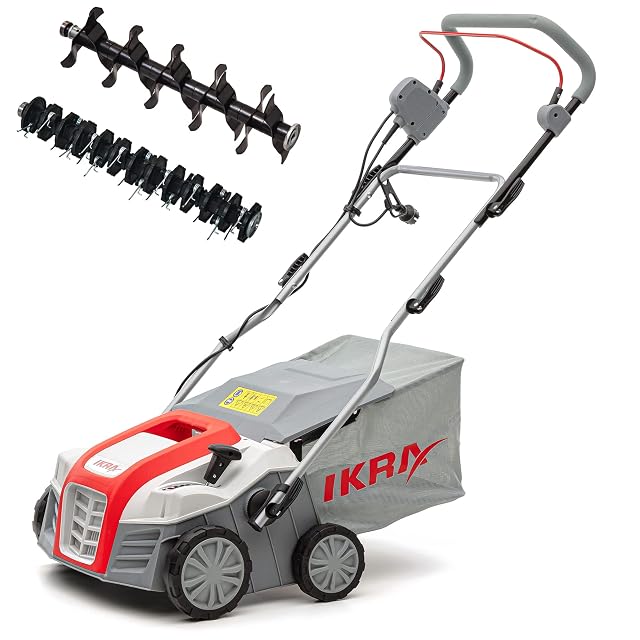
IKRA IEVL 2000 electric scarifier with a 40 cm working width and interchangeable rollers

IKRA IEVL 2000

Wins 2 of 8

Check price

Line by line

Compared on BRE-RV-4000 IEVL 2000
Working width 40 cm 40 cm
Input power 2000 W 2000 W
Scarifying blades 20 20
Aerating tines 24 24 sprung steel
Working depths −12 to +6 mm, 5 steps +6 to −12 mm
Catcher volume 55 L 55 L
Roller change Rollers easily interchangeable Tool-free change
Weight Not published Not published

A tick means one listing published something the other did not, or published a better figure. It does not mean the product is better, and the column is not a score out of anything: a maker who says less loses lines here without losing a comparison. The two verdicts below are where the page is settled.

Which one, for whom

Buy the BRAST BRE-RV-4000

The only figure BRAST publishes that IKRA does not is the number of depth steps — five, on a central adjuster. On a scarifier that matters more than it sounds, because the difference between −12 mm and −6 mm is the difference between renovating a lawn and ruining it, and knowing how many stops there are between them is how you choose one.

Buy the IKRA IEVL 2000

IKRA publishes two details BRAST leaves out: the tines are sprung steel, and the rollers change without tools. Sprung tines flex over a stone instead of bending; a tool-free change is what decides whether the aerating roller ever gets fitted at all, because a roller swap that needs a spanner happens once.

What this pairing usually raises next

Are these the same machine?

This page does not claim that and cannot establish it. What is verifiable is that every dimensional and electrical figure published for the two is identical, and that each publishes one detail the other omits. Different Amazon references and different EANs are recorded for them.

So which should I buy?

Whichever is cheaper on the day, and then read the depth settings on arrival. On identical published specifications there is nothing else to weigh, and both publish enough that the buyer is not guessing.

What actually decides a scarifier?

The depth setting and the willingness to use it correctly. A scarifier set too deep tears a lawn apart; set at zero it does nothing. Both machines here adjust from +6 mm above the sward to −12 mm into it, and the useful working range for a domestic lawn is the shallow end of that.

The full reviews

  • BRAST BRE-RV-4000

    40 cm, 2000 W, 20 blades + 24 tines, −12 to +6 mm, 55 L

    A 2000 W machine with a stated depth range of −12 to +6 mm, a 55-litre bag and both rollers — sold as one of three models in a range.

    Best for: A large lawn with real thatch, where the depth needs setting rather than guessing

  • IKRA IEVL 2000

    40 cm, 2000 W, 20 blades + 24 sprung tines, −12 to +6 mm, 55 L

    Tool-free roller changes, a −12 to +6 mm depth range, a 55-litre bag, and the option of working with no bag at all.

    Best for: A large, genuinely thatched lawn where the first pass will be run without the bag

The live figure beside a product went and asked the shop for it the moment this page opened; any amount written into the text has not moved since the sentence was drafted, and it is the first of the two that counts.